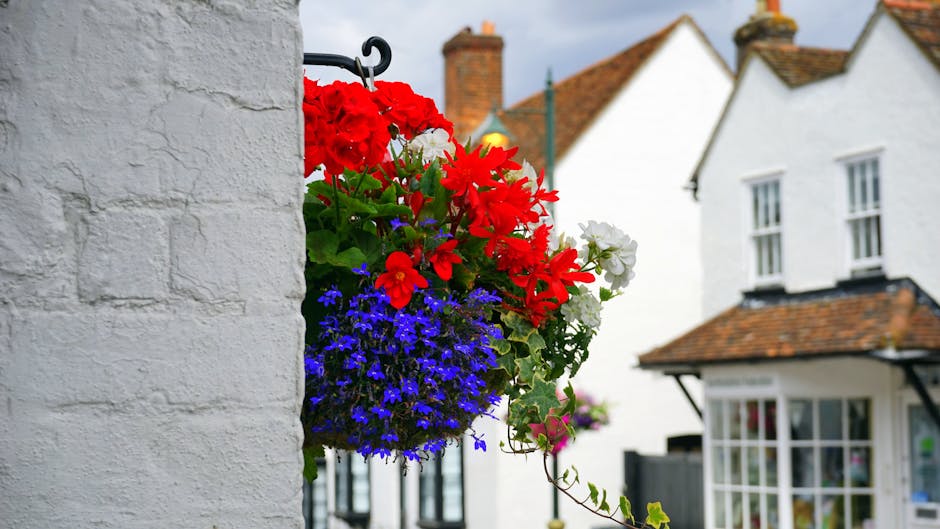
Bromley Council rules for floral displays in Biggin Hill
Posted on 04/10/2026
Bromley Council rules for floral displays in Biggin Hill: a practical local guide
If you are planning floral displays in Biggin Hill, the Bromley Council rules for floral displays in Biggin Hill can feel a bit more complicated than they look at first glance. A window box on a parade of shops, a memorial tribute at a local service, a wedding arch, a shopfront arrangement in TN16 - each one can bring different expectations around safety, obstruction, maintenance, and placement. Truth be told, most issues are avoidable once you understand the basics.
This guide breaks down what usually matters in practice, how floral displays are typically judged by local rules and common-sense standards, and what you can do to keep everything tidy, attractive, and low-risk. We will also cover the kinds of mistakes that tend to cause problems, the practical steps to follow, and where a florist or event organiser may need to take extra care.
For readers arranging flowers for homes, events, businesses, memorials, or seasonal promotions, this is meant to be a clear, usable reference rather than a dry legal page. Let's keep it simple and helpful.
Table of Contents
- Why Bromley Council rules for floral displays in Biggin Hill Matters
- How Bromley Council rules for floral displays in Biggin Hill Works
- Key Benefits and Practical Advantages
- Who This Is For and When It Makes Sense
- Step-by-Step Guidance
- Expert Tips for Better Results
- Common Mistakes to Avoid
- Tools, Resources and Recommendations
- Law, Compliance, Standards, or Best Practice
- Options, Methods, or Comparison Table
- Case Study or Real-World Example
- Practical Checklist
- Conclusion
- Frequently Asked Questions
Why Bromley Council rules for floral displays in Biggin Hill Matters
Floral displays do more than make a place look pleasant. In Biggin Hill, they can mark celebrations, support local businesses, add dignity to memorials, and soften the look of a busy frontage. But the same display that looks beautiful in a front room can become an issue on a pavement, in a shared access area, or beside a road. That is where local expectations matter.
Why? Because council rules and related public-safety standards are usually concerned with more than the flowers themselves. They are concerned with visibility, trip hazards, drainage, access for pedestrians, emergency routes, street clutter, and whether the display is secured properly. A neat arrangement is one thing. A basket that narrows the footway on a windy day is another.
In our experience, people often assume "it's just flowers, it'll be fine." Most of the time, it will be. But not always. A display near a shop entrance, on a verge, outside a church, or at a roadside memorial may need more thought than people expect. Councils also tend to care about consistency: if one display is safe and another blocks movement, the rule is usually applied to the problem, not the petals.
The main point is simple. If your floral display is visible to the public, touches public land, or affects movement in a shared space, it is worth checking the practical rules before you set it out. A little care up front saves hassle later. And it usually makes the display look better too.
Key takeaway: the safest floral displays are not just decorative; they are secure, proportionate, easy to pass, and easy to maintain. That is the real sweet spot.
How Bromley Council rules for floral displays in Biggin Hill Works
There is no single one-size-fits-all rule for every floral display, because context matters. A small indoor arrangement in a business is not treated the same way as a large public-facing display outside a building, and a funeral tribute is not approached the same way as a promotional planter. That is normal across UK local authority practice.
What usually sits underneath the rules is a set of straightforward questions:
- Does the display block a path, doorway, stair, ramp, or sightline?
- Is it likely to fall, spill, or blow over?
- Could it create litter, water runoff, or a slippery surface?
- Is it placed on private land, shared land, or public highway space?
- Will it remain tidy and safe over the time it is installed?
That last one is easy to forget. A display can be perfectly fine at 9am and a bit of a nuisance by 4pm if the weather turns, the flowers wilt, or the containers shift. Biggin Hill can get blustery in the open, and outside arrangements need a bit of common sense. A heavy base, stable stand, and sensible positioning all matter.
For most readers, the practical process looks like this:
- Decide whether the display is private, commercial, or public-facing.
- Check whether it touches any pavement, verge, wall, shared entrance, or roadside area.
- Make sure it does not obstruct access or visibility.
- Choose materials and containers that are stable in local weather.
- Plan for maintenance, watering, and removal.
If your display is for a special event, local seasonal occasion, or a formal tribute, you may also need to think about timing. A wedding display at midday needs to look good in the morning sun and still hold its shape by evening. A memorial arrangement may need more durable flowers and a respectful, understated design rather than something overly tall or loose. Little details, but they count.
If you need a florist to prepare a display that fits a specific occasion, it can help to start with a style that already suits the setting, such as wedding table arrangements for indoor venues or a more compact option from baskets and posies for smaller presentation spaces.
Key Benefits and Practical Advantages
Following the right approach to floral displays is not just about avoiding complaints. There are some real benefits to getting it right from the start.
1. You reduce the risk of disruption
A well-placed display is less likely to interfere with foot traffic, access doors, bins, signage, or visibility near roads and junctions. That matters a lot in places where people are moving quickly, carrying shopping, or parking nearby.
2. Your display looks more professional
To be fair, flowers can look lovely even when they are a bit casual. But a display that is level, secure, and intentionally arranged always looks more considered. It reads as careful rather than crowded.
3. You avoid unnecessary removal or alteration
If a display is too large, too loose, or in the wrong spot, it may need to be moved. Nobody enjoys that after the work is already done. Planning ahead avoids the awkward late change.
4. You protect your brand or event reputation
For a business, florist, venue, or event organiser, small presentation details matter. One untidy planter can make the whole front look unprepared. One neat arrangement can do the opposite. It is a tiny thing, and somehow not tiny at all.
5. You make upkeep easier
A display designed with maintenance in mind is less stressful. You will notice the difference after a rainy spell or a warm afternoon when watering and trimming become necessary.
There is also a softer benefit: floral displays help create a sense of place. Biggin Hill has that familiar local mix of homes, community spaces, shops, and everyday movement. A thoughtful display can make a frontage feel cared for without shouting about it. That is the charm, really.
Who This Is For and When It Makes Sense
This topic matters to a fairly wide range of people, not just florists.
- Homeowners who want window boxes, front-step displays, or seasonal tubs.
- Local shops and cafes adding flowers near entrances or outdoor seating areas.
- Event planners arranging wedding, celebration, or corporate floral features.
- Funeral directors and families managing tributes respectfully and safely.
- Landlords and property managers responsible for shared entrances or communal areas.
- Community organisers planning displays for remembrance, charity, or seasonal events.
It makes sense to review the rules whenever the display moves beyond a purely indoor setting. If the arrangement is on a windowsill inside your own property, the practical issues are usually minimal. If it is on a pavement edge, balcony, shared path, or frontage open to the public, the picture changes quickly.
There are a few moments when you should be especially careful:
- before a wedding or funeral, when timing is tight;
- before Christmas, spring fairs, or summer promotions;
- when using tall stands, arches, or heavy urns;
- when placing arrangements near steps or sloping ground;
- when using candles, water features, or loose decorative items.
And if you are thinking, "It's just a few flowers near the door," that is exactly the kind of situation where a quick check saves trouble later. Not because the council is looking to make life difficult, but because the basics matter.
Step-by-Step Guidance
Here is a practical way to approach floral displays in Biggin Hill without overcomplicating it.
Step 1: Define the space
Start by asking whether the display is private, shared, or public-facing. A display in a private garden is one thing; a display near the pavement or entrance used by others is another. Draw the line carefully. If in doubt, look at who needs to pass through the area.
Step 2: Measure the footprint
Do not guess. A display that seems compact indoors can feel much bigger once it is placed outdoors. Check width, depth, and height, especially if containers are grouped together. Allow for people passing, pushchairs, mobility aids, deliveries, and bins.
Step 3: Choose stable containers
Use pots, urns, vases, or baskets that will not tip easily. Weight matters. So does drainage. A container that holds water badly can become awkward, and a top-heavy arrangement can become unstable in a breeze. Not ideal on a weekday morning with everyone rushing past.
Step 4: Match the flowers to the setting
Some flowers cope better outdoors than others. If the display is likely to face sun, wind, or temperature swings, choose hardier stems and more resilient foliage. For elegant indoor-to-outdoor transition pieces, a florist may suggest something structured like flowers in a vase or seasonal options from summer flowers.
Step 5: Keep the route clear
Leave enough space for safe movement. This is especially important near entrances, kerbs, steps, and turning points. A display that looks generous but still keeps circulation smooth is usually the best compromise.
Step 6: Add fixing or weight where needed
If you are using a stand, arch, or tall installation, secure it properly. Hidden weights, sturdy bases, and discreet fixings are far better than hoping the weather will be kind. London weather, as we all know, likes to be a bit cheeky.
Step 7: Plan maintenance and removal
Set a schedule for watering, deadheading, and clearing fallen petals or leaves. Decide who is responsible and when the display comes down. A lovely display can quickly lose its polish if nobody owns the upkeep.
For larger or more formal arrangements, it may help to use a florist with experience in occasion work. A good starting point is usually a local specialist such as florist Biggin Hill TN16, especially if you need advice on scale, timing, and presentation.
Expert Tips for Better Results
Here are the small things that make a surprisingly big difference.
- Keep it lower than you think. Tall arrangements are elegant, but they can block sightlines or catch the wind. If the display is near a path, lower is usually safer.
- Use repeated colours, not too many. Two or three well-chosen tones often look more refined than a crowded mix.
- Check the display at different times of day. Morning shade and afternoon sun can change how the flowers look and how quickly they dry out.
- Pick flowers with staying power. If the arrangement needs to last, flowers with better vase life or sturdier stems are usually worth it.
- Think about what happens when one stem fails. One drooping bloom in a tight design can pull the whole thing down visually.
- Use scent carefully. Strong fragrance can be lovely up close, but in a small shared space it can overwhelm.
A small human observation here: some of the best displays are not the biggest ones. They are the ones that feel settled into the space, like they belong there. That sense is hard to fake. You either have it or you don't, and usually it comes down to proportion and restraint.
If you are ordering for an occasion and want something less predictable, consider a curated selection such as florist choice or seasonal groupings like autumn. These can make it easier to match tone and setting without overthinking every stem.
Common Mistakes to Avoid
Most problems with floral displays are not dramatic. They are the ordinary, slightly annoying ones.
Blocking access "just a little"
That little bit often becomes the bit people trip over or have to squeeze around. Try not to negotiate with the path. Give people proper room.
Choosing a container that looks good but is too light
Pretty is fine. Pretty and unstable is not. A light planter can move in the wind or shift when knocked.
Forgetting water runoff
Water dripping onto paving can create slippery spots, especially in colder weather or on smooth surfaces. A simple tray or drip plan helps.
Overcrowding the display
More flowers is not always better. Sometimes a crowd of blooms makes the whole thing feel messy instead of generous.
Using the wrong flowers for the conditions
If your display is in direct sun, exposed to wind, or expected to last several days, delicate stems may not be the best fit. Save the very fragile stuff for safer indoor settings.
Leaving it without a named owner
Every display needs someone responsible. Even if that sounds obvious, it gets missed all the time. Then everyone assumes someone else is watering it.
One more thing: avoid placing floral items where people might step back without looking, especially near entrances and kerbs. It sounds basic because it is basic, and yet this is where a lot of headaches begin.
Tools, Resources and Recommendations
You do not need a massive toolkit to manage floral displays well, but a few practical items help a lot.
- Measuring tape for checking width, depth, and clearance.
- Stable planters or weighted bases for outdoor security.
- Watering can or bottle for regular care.
- Floral foam or mechanics where appropriate for structure, used carefully and responsibly.
- Soft ties or discreet fixings for securing stems or decorative frames.
- Pruning scissors for quick tidy-ups.
For practical flower selection, it helps to start with a reliable range rather than chasing novelty. If the arrangement is intended to travel or arrive ready to place, options such as flower delivery Biggin Hill TN16 or same day flower delivery Biggin Hill TN16 can be useful when timing is tight and the display needs to be installed quickly.
For readers watching budget, it is worth noting that simple does not mean dull. A modest but well-kept arrangement can be far more effective than an expensive one that looks crowded or fades too quickly. There is a reason many people choose compact styles from cheap flowers or balanced designs from best sellers when they want a safe, dependable result.
Law, Compliance, Standards, or Best Practice
Although this guide is focused on local practical rules rather than formal legal advice, a few compliance themes matter for floral displays in public or shared spaces.
Public safety comes first. A display should not create a hazard for pedestrians, vehicles, or building users. That includes trip risks, blocked access, unstable structures, and slippery surfaces from water or loose petals.
Land ownership and permissions matter. If a display is on private land, the rules are usually simpler. If it touches a pavement, verge, or shared route, you may need permission or at least a much more cautious approach. Do not assume an area is "fine" just because it looks unused.
Accessibility is part of good practice. A floral arrangement should not make life harder for wheelchair users, pushchair users, visually impaired pedestrians, or anyone carrying items through a narrow area. Good design quietly supports access instead of competing with it.
Maintenance is part of compliance. A display is not compliant in spirit if it is only safe on day one. If it sheds debris, leans, blocks movement, or becomes untidy, it stops being a neat decorative feature and starts becoming a problem.
Noise, nuisance, and over-competition with signage can also come into play in commercial areas. A display that hides shop signs, creates clutter near entrances, or distracts drivers at the wrong angle may need adjusting.
Best practice is usually the safest approach: keep it proportionate, keep it secure, keep it easy to maintain, and keep it respectful of the space around it.
Options, Methods, or Comparison Table
Different floral display methods suit different situations. Here is a simple comparison to help you choose.
| Display method | Best for | Strengths | Watch-outs |
|---|---|---|---|
| Window box | Homes, shops, cafes | Compact, attractive, easy to maintain | Needs secure fixing and watering |
| Planter or urn | Entrances, formal settings | Elegant, stable when weighted correctly | Can obstruct pathways if too large |
| Basket or posy | Memorials, gifts, smaller spaces | Flexible, tidy, easier to place | May need support in windy areas |
| Table arrangement | Events, venues, receptions | Controlled, decorative, easy to style | Better indoors or sheltered settings |
| Large arch or feature display | Weddings, launches, special events | High visual impact | Needs careful fixing, space, and permissions |
If you are unsure which approach fits the setting, start with the simplest one that meets your goal. That is usually the least stressful path. And honestly, the least likely to go wrong on the day.
Case Study or Real-World Example
Imagine a small cafe in Biggin Hill planning a spring refresh. The owner wants a cheerful floral display by the front window and a pair of planters near the entrance. Nothing flashy, just welcoming. The first idea is to use tall arrangements with mixed stems and trailing greenery, but when they are placed mock-up style, they narrow the footpath and make the doorway feel crowded.
So the plan changes. The cafe switches to lower planters with sturdier flowers, keeps them tucked against the building line, and uses a balanced colour scheme that works with the shopfront rather than fighting it. The result is calmer, neater, and easier to pass. Customers still notice it. Probably more so, because it feels deliberate.
Now picture a family arranging a memorial tribute. Their first instinct is to choose a large statement piece with lots of height. After a quick check, they realise the space is shared and sometimes busy, so they choose a more compact tribute arrangement instead, one that stays dignified without getting in anyone's way. That is a good example of the right choice being the thoughtful one, not the biggest one.
For weddings, the same idea applies. A couple may love dramatic floral columns, but if the venue entrance is tight or the weather is changeable, smaller coordinated pieces often work better. A set from weddings or a custom bridal selection can give the same visual effect with less risk and fuss.
Practical Checklist
Use this checklist before placing a floral display in Biggin Hill.
- Have I confirmed whether the display is private, shared, or public-facing?
- Will it block a path, doorway, ramp, step, or sightline?
- Is the container heavy enough and stable enough for the location?
- Could wind, rain, or heat affect the arrangement?
- Is there a clear plan for watering and upkeep?
- Will water or petals create a slippery surface?
- Does the display fit the scale of the space?
- Have I checked who is responsible for it after installation?
- Is the style appropriate for the occasion or setting?
- Do I need permission or clarification before placing it?
If you can tick most of those boxes, you are usually in a much better place. Simple as that.
Conclusion
The Bromley Council rules for floral displays in Biggin Hill are best understood as a practical framework rather than a hurdle. Keep the display safe, keep it tidy, keep access clear, and keep it suited to the space. Do that, and most of the common problems never show up in the first place.
Whether you are arranging flowers for a home, business, wedding, funeral, or community occasion, the real win is a display that feels thoughtful and easy to live with. Not overblown. Not fussy. Just right for the setting.
Get a free quote today and see how much you can save.
And if you are still weighing up the best approach, start small, stay sensible, and trust the space in front of you. Good flowers have a way of making that feel easy.
Frequently Asked Questions
Do I need permission for floral displays in Biggin Hill?
It depends on where the display sits. If it is entirely on private property, permission issues are usually minimal. If it touches a pavement, verge, shared entrance, or other public-facing area, you should check carefully before placing it.
Can I put flowers outside my shop in Biggin Hill?
Yes, often you can, but the display should not block the footway, entrance, or access for others. Stable placement and enough clearance are the key points. A neat display that respects movement is usually the safest option.
What kind of floral display is safest near a public path?
Lower, weighted, and compact displays are usually safest. Planters, baskets, and shorter arrangements tend to work better than tall features, especially where wind or pedestrian traffic is involved.
Are memorial floral tributes treated differently?
Yes, memorial tributes are often handled with more sensitivity and usually in a more compact format. The main concerns are respect, stability, and not obstructing routes or shared spaces.
Do outdoor floral displays need to be secured?
Absolutely. If a display is outdoors or in a draughty spot, it should be stable enough to resist movement. Weights, solid bases, and sensible positioning are all part of good practice.
How often should floral displays be maintained?
That depends on the flowers and the setting. High-traffic or outdoor displays may need daily checking, while sheltered indoor arrangements may need less frequent attention. The main thing is to have a clear routine rather than hoping for the best.
What flowers are best for a display that needs to last?
Sturdier flowers and foliage are usually the better choice for longer-lasting displays. A florist can guide you on seasonal options that hold up well in the conditions you are dealing with.
Can a floral display create a trip hazard?
Yes, especially if it is too large, placed poorly, or allowed to spread across walking space. Loose stems, trailing ribbons, and heavy containers in the wrong place can all become issues.
Is there a difference between a wedding display and a shopfront display?
Definitely. Wedding displays are usually judged more by aesthetics and venue layout, while shopfront displays have stronger concerns around access, footfall, and public safety. Both need planning, but the priorities differ.
What is the easiest way to avoid problems with council rules?
Keep the display low, secure, and outside main walking routes. If you are unsure, ask yourself one simple question: would this still be fine if the pavement were busy, the weather turned, or someone needed to pass quickly?
Can I use seasonal flowers for public-facing displays?
Yes, seasonal flowers are often a smart choice because they tend to suit the time of year and can be more resilient. Just make sure the arrangement still fits the space and does not become too elaborate for its surroundings.
Where should I start if I want help choosing the right floral style?
Start with the setting, then the purpose, then the practical limits. Once you know whether the display is for a home, business, event, or tribute, it becomes much easier to choose something appropriate. A good florist will usually help you balance beauty and practicality without making it complicated.